

Skills Employers Actually Want: What Makes Candidates Stand Out Today

Anannya Goswami
If you’ve ever wondered why some candidates get interview calls faster than others, even with similar degrees, the answer usually comes down to one thing: the kind of skills employers actually want. Not the skills students think matter, and not the skills listed in course brochures, but the skills that make hiring feel less risky for employers.
In today’s job market, companies are not short of applicants. They are short of candidates who can contribute with minimal hand‑holding. This is why employers have quietly shifted their focus away from marks, certificates, and even job titles, and toward skills that show readiness for real work.
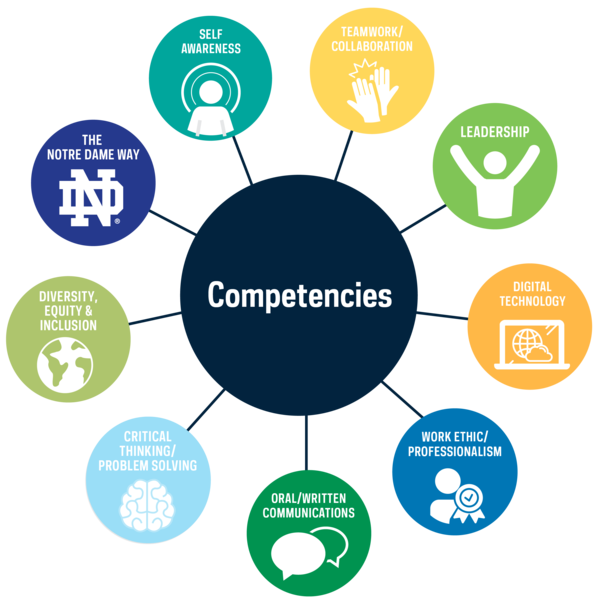
One of the most valued skills across roles is problem‑solving ability. Employers want people who can look at a situation, break it down logically, and work toward a solution instead of waiting for instructions. This doesn’t mean you need years of experience. It means you can show how you think, how you approach challenges, and how you learn from outcomes. Even small examples of applied problem‑solving make a strong impression.
Another skill employers consistently look for is clear communication. This goes far beyond speaking good English. It’s about expressing ideas clearly, writing structured messages, explaining your work, and asking the right questions. In most jobs, misunderstandings cost time and money. Candidates who can communicate well reduce that risk, which makes them more attractive hires.
Adaptability and learning ability are also high on the list. Employers know that tools, technologies, and processes change quickly. They are less concerned about whether you know everything today, and more concerned about whether you can learn fast tomorrow. Candidates who show curiosity, openness to feedback, and the ability to upskill quickly are seen as long‑term assets.
Another underrated but crucial skill is ownership. Employers notice when candidates take responsibility for their work instead of blaming circumstances. Ownership shows maturity. It tells recruiters that you can be trusted with tasks, deadlines, and outcomes. Even as a fresher, showing ownership through self‑initiated projects or independent learning makes a big difference.
Teamwork is also a skill employers actively assess. Most work happens in collaboration, not isolation. Being able to work with others, handle feedback, manage disagreements, and contribute constructively matters more than being individually brilliant. Employers look for signs that you can function well in real team environments.
Here’s the critical part most students miss: skills only matter when they are visible. Many candidates genuinely have these abilities but fail to show them. Resumes filled with self‑claims like “good communication skills” or “strong problem solver” don’t convince anyone. Employers trust evidence, not adjectives.
This is where proof‑based career building becomes important. Platforms like insiderOne help bridge the gap between having skills and being recognized for them. By maintaining a Skill Ledger that reflects real abilities, creating Proof Drops that show actual work and outcomes, and using ZENOR, an AI career assistant that guides skill development based on market demand, candidates can make their skills tangible. This makes it easier for recruiters to trust what they see.
For students and freshers, the takeaway is simple. Instead of trying to learn everything, focus on building a few core skills and applying them in real ways. Document what you do. Reflect on what you learn. Make your progress visible. Employers don’t expect perfection, but they do expect proof of effort and capability.
In the end, the skills employers actually want are not mysterious or unreachable. They are practical, human, and built over time. When you focus on developing and showing these skills, opportunities start to open up naturally.