

ATS‑Friendly Resume Meaning: Why Your Resume Isn’t Even Being Seen

Anannya Goswami
If you've been applying for jobs and hearing absolutely nothing back, there’s a high chance your resume isn’t being rejected by a human at all. It’s being rejected by software. This is where the term ATS‑friendly resume comes in ,and understanding it properly can completely change how you approach job applications.
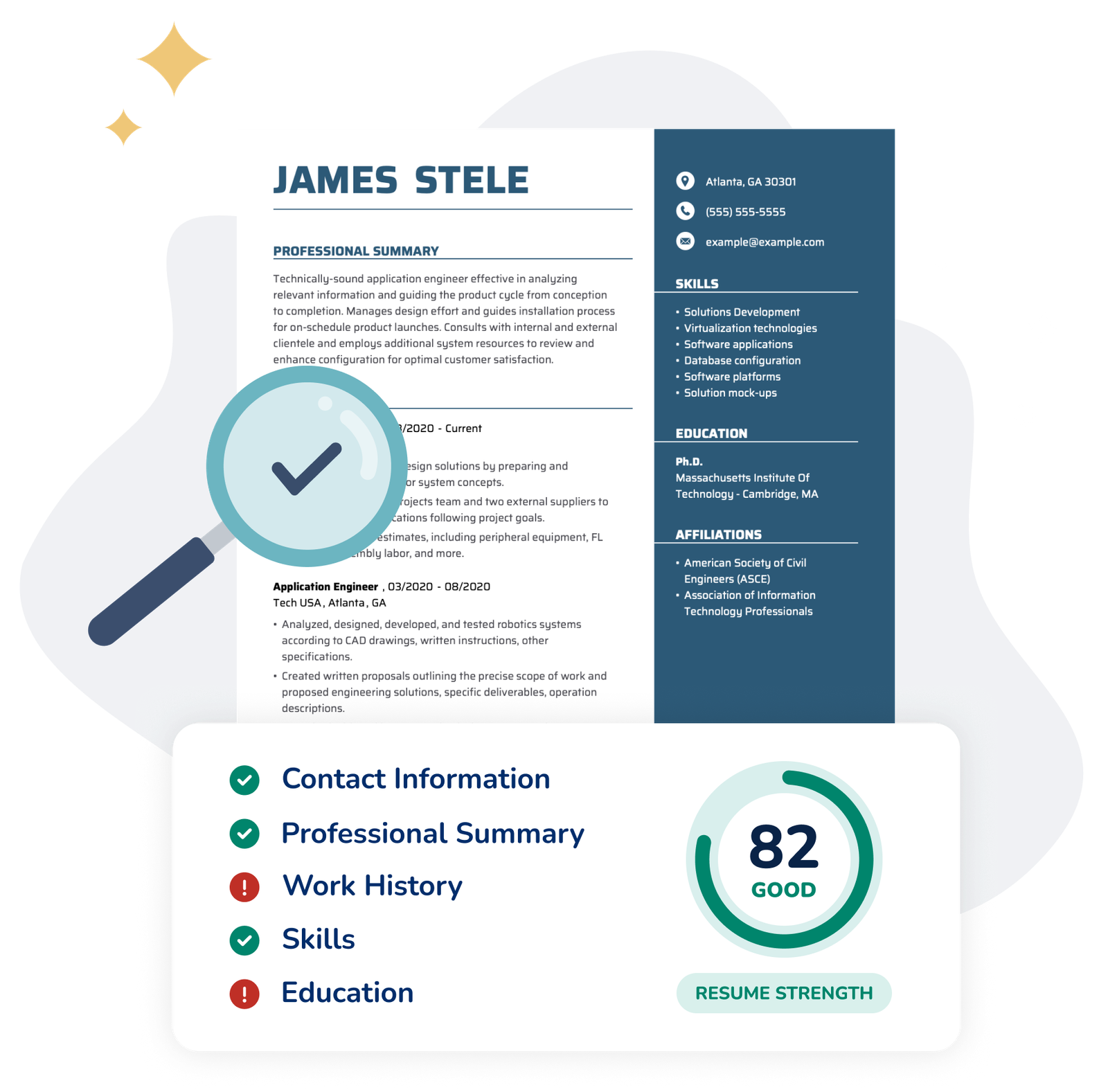
An ATS, or Applicant Tracking System, is software companies use to manage the huge number of resumes they receive. Before a recruiter ever looks at your profile, your resume often passes through this system first. If the ATS can’t read, understand, or match your resume properly, it gets filtered out silently. No rejection email. No feedback. Just silence.
An ATS‑friendly resume simply means a resume that software can read, parse, and categorize correctly. It does not mean a boring resume, and it definitely does not mean a guarantee of a job. It means your resume at least survives the first gate.
The problem is that most students and freshers don’t realize this gate even exists.
When you submit a resume, the ATS scans it for structure, keywords, relevance, and clarity. It looks for job‑specific terms, recognizable headings, and clean formatting. If your resume uses heavy design elements, tables, graphics, icons, or unusual fonts, the system may fail to read important information. From the ATS’s point of view, your resume then looks incomplete or irrelevant, even if you are qualified.
This is why many capable candidates never get interview calls. It’s not because they’re unskilled. It’s because their resume never reaches a recruiter’s screen.
Another reason ATS filters resumes out is keyword mismatch. Job descriptions are essentially instructions for the ATS. The system checks whether your resume contains the skills, tools, and role‑specific language mentioned in the job posting. If your resume uses vague or generic terms instead of role‑aligned keywords, the ATS scores it lower. This doesn’t mean stuffing keywords blindly,it means speaking the same language as the role you’re applying for.
However, here’s the part most people miss: even an ATS‑friendly resume is no longer enough.
ATS systems are designed to reduce risk and save time. They don’t measure depth, context, or real capability. That’s why recruiters increasingly look beyond resumes once something catches their eye. They look for portfolios, work samples, and proof that skills are real. A resume may get you past the system, but it won’t convince a recruiter on its own.
This is where the modern hiring shift becomes clear. Resumes are summaries. Hiring decisions are made on evidence.
Platforms like insiderOne exist because of this exact gap. Instead of relying only on a resume that tries to say everything in one page, insiderOne allows candidates to maintain a Skill Ledger that shows what they can actually do and add Proof Drops that demonstrate real work. When paired with ZENOR, an AI career assistant that helps align skills, proof, and roles, your profile becomes more than ATS‑friendly,it becomes recruiter‑credible.
The smartest approach today is not choosing between an ATS‑friendly resume and a proof‑based profile. It’s using both together. The resume helps you pass the system. Proof helps you win the conversation.
If you’re a student or fresher, the takeaway is simple. Yes, fix your resume formatting. Yes, align it with job descriptions. But don’t stop there. Build something you can show. Document what you learn. Make your skills visible.
Because in today’s hiring reality, getting seen is step one ,but being trusted is what gets you hired.